
Lower Back Pain Isn’t Inevitable—Here’s How to Prevent It
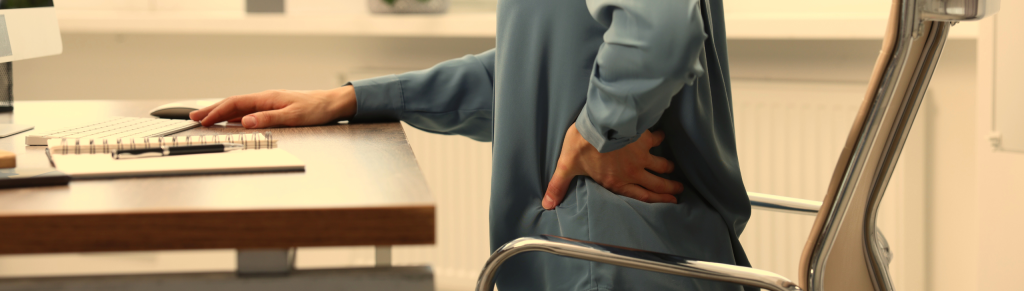
Lower Back Pain Isn’t Inevitable—Here’s How to Prevent It
Lower back pain is one of the most common reasons people visit a clinician or miss work. The good news: most episodes aren’t inevitable. With smart habits, movement, and targeted care, you can reduce your risk and keep your spine healthy for the long haul. This guide breaks down practical, evidence-informed steps you can start implementing today.
1) Understand the factors that contribute to lower back pain
Back pain often results from a combination of mechanical, lifestyle, and psychosocial factors. Common contributors include:
– Sedentary lifestyle and prolonged sitting
– Poor posture and spinal alignment during daily activities
– Weak or imbalanced core and glute muscles
– Overloading the spine with heavy lifting or repetitive twisting without proper technique
– Inadequate warm-up before exercise and sudden, high-impact movements
– Stress and sleep deprivation affect muscle tension and recovery
– Preexisting conditions (e.g., disc degeneration, arthritis) and age-related changes
The key takeaway: prevention is multifaceted and personalized. What increases risk for one person might not affect another in the same way.
2) Prioritize movement: consistent, purposeful exercise
Movement is medicine for the spine. Aim for a balanced routine that includes:
– Core stability and pelvic control
– Examples: planks, side planks, dead bugs, bird-dogs (modified as needed).
– Hip and glute strength
– Examples: glute bridges, side-lying clamshells, hip thrusts.
– Mobility for hips and thoracic spine
– Examples: hip flexor stretches, hip openers, thoracic spine rotations.
– Posterior chain strength
– Examples: Romanian deadlifts with light weight, good mornings, supermans.
– Cardiovascular fitness
– Examples: brisk walking, cycling, swimming. Aim for at least 150 minutes per week, adjustable to your level.
– Balance and proprioception
– Examples: single-leg stands (with support as needed), heel-to-toe walking.
Tips:
– Start gradually and progress slowly. Increase load or repetitions by small increments (5–10%) to avoid overload.
– Train 2–3 days per week for strength; include mobility and cardio on other days.
– Include a warm-up and cool-down in every session.
3) Master safe lifting and ergonomics
Most back injuries occur during lifting or repetitive tasks when technique falters. Protect your back with:
– Proper lifting technique
– Hips back (hip hinging), knees soft, chest up, abdominals engaged.
– Keep the object close to your body; avoid twisting while lifting.
– If an object is heavy, ask for help or use equipment like a dolly.
– Breathing and bracing
– Take a breath, brace your core, and exhale through the lift with controlled effort.
– Ergonomic setup at work
– Sit with feet flat, knees at or slightly below hip level.
– Use a chair with lumbar support; adjust monitor height to eye level.
– Alternate between sitting and standing if possible; stand with even weight distribution.
– Safe daily activities
– When bending to reach something, hinge at the hips with a neutral spine rather than flexing the spine excessively.
– Avoid sustained, awkward postures (e.g., slouched neck, rounded shoulders) for long periods.
4) The role of flexibility and muscle balance
While stiffness alone isn’t usually the sole culprit, tight hip flexors, hamstrings, or calves can influence alignment and movement patterns. A balanced routine that includes:
– Hamstring and hip flexor stretches
– Calf muscle lengthening
– Thoracic spine mobility drills
can support better posture and reduce compensatory stress on the lower back.
5) Sleep, stress, and recovery
Recovery matters as much as training:
– Sleep: aim for 7–9 hours per night. Poor sleep can heighten pain sensitivity and hinder recovery.
– Stress management: mindfulness, breathing exercises, and regular physical activity can reduce baseline muscle tension.
– Recovery days: listen to your body. If you’re sore or fatigued, opt for light activity, mobility work, or rest rather than pushing through pain.
6) When to seek professional help
While many back pain episodes resolve with time and smart self-management, certain red flags warrant medical evaluation:
– Severe or progressive weakness in legs
– Numbness, tingling, or bladder/bowel changes
– Pain lasting more than 4–6 weeks despite care
– History of cancer, infection, or major trauma
– Pain that worsens with rest or at night
If you’re unsure or you’ve had recurrent back pain, consider a professional assessment. A physical therapist can:
– Identify specific motor control or strength deficits contributing to your pain
– Individualize a prevention and rehabilitation plan
– Guide proper form for exercises and daily activities
– Provide hands-on treatments (as appropriate) to improve mobility and reduce pain
7) A practical starter plan (4-week sample)
The starter progression is designed to build a solid foundation for a healthier spine: it focuses on basic core stability, hip/glute strength, and movement quality. The goal is to establish safe, repeatable movement patterns that reduce stress on the lower back and prepare the body for more progressive loading over time.
Weeks 1–2: Build foundation
– 2 days of core and glute work (20–25 minutes each)
– Dead bug 2 sets x 10 reps per side
– Glute bridge 3 sets x 12 reps
– Bird-dog 2 sets x 10 reps per side
– Hip hinge practice (with dowel) 2 sets x 12 reps
– 2 days of light cardio (20–30 minutes)
– Daily 5–10 minute mobility routine (hips, thoracic spine, hamstrings)
Weeks 3–4: Progressive loading
– Increase sets or reps by ~10–20% or add light resistance
– Add single-leg balance work (e.g., stand on one leg for 30–45 seconds, progress to eyes closed)
– Incorporate posterior chain movements (e.g., Romanian deadlifts with light dumbbells)
– Maintain daily mobility and ensure proper warm-up before workouts
8) Lifestyle habits that support a healthy spine
– Maintain a healthy weight to reduce spinal load.
– Stay hydrated and eat a balanced diet rich in anti-inflammatory nutrients.
– Regular movement throughout the day: stand up, stretch, and short walks every hour.
– Use proper footwear that supports your arches and posture.
– Avoid prolonged bed rest; gentle activity often speeds recovery.
Lower back pain isn’t an unavoidable nuisance. By combining consistent movement, smart lifting, ergonomic awareness, and good recovery, you can dramatically reduce your risk and improve your quality of life. If you have pain that lingers or recurs, consult HealthQuest Physical Therapy for a personalized assessment and a prevention-focused plan tailored to your body and goals.
Ready to start? Schedule a no-pressure discovery visit with HealthQuest Physical Therapy to assess your movement patterns, set up a personalized prevention plan, and learn the correct technique for exercises that protect your lower back.