
Flip-Flops Causing Heel Pain? How to Calm a Plantar Fasciitis Flare-Up Fast
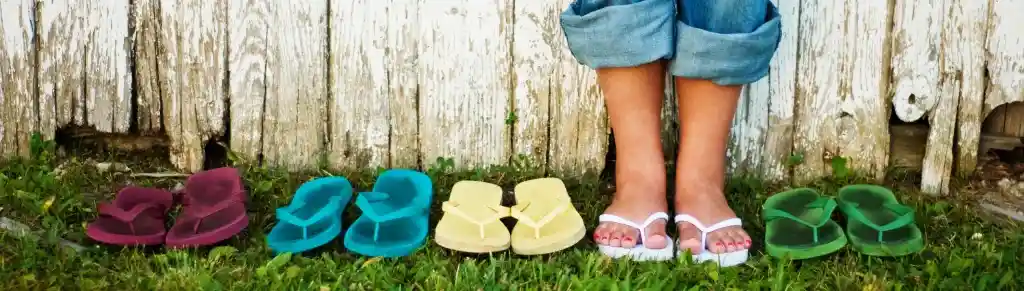
Flip-Flops Causing Heel Pain? How to Calm a Plantar Fasciitis Flare-Up Fast
If your feet start aching after a day in flip-flops, you’re not imagining it. That sharp, stabbing pain in your heel—especially with your first steps in the morning—could be a plantar fasciitis flare-up. The good news? There’s a simple, effective way to relieve it at home: rolling your foot on a frozen water bottle.
Let’s break down why flip-flops can trigger foot pain—and how to fix it.
What Is Plantar Fasciitis?
Plantar fasciitis is one of the most common causes of heel pain. It occurs when the plantar fascia—a thick band of tissue that runs along the bottom of your foot—becomes irritated or inflamed.
Common symptoms:
- Sharp heel pain (especially in the morning)
- Pain after long periods of standing or walking
- Tightness along the arch of the foot
- Discomfort after wearing unsupportive shoes
Why Flip-Flops Can Trigger a Flare-Up
Flip-flops might be convenient, but they’re often a major contributor to foot pain.
Here’s why:
- Lack of arch support puts extra strain on the plantar fascia
- Thin soles don’t absorb shock from walking
- Toe gripping (to keep them on your feet) increases tension
- Flat design doesn’t support natural foot mechanics
Over time—or even after a long day—this combination can lead to irritation and a painful flare-up.
Quick Relief: Roll Your Foot on a Frozen Water Bottle
This simple trick is a go-to recommendation from physical therapists because it combines ice therapy and gentle massage.
How to do it:
- Fill a water bottle and freeze it
- Sit in a chair and place the bottle under your foot
- Slowly roll your foot back and forth over the bottle
- Focus on the arch and heel area
- Continue for 10–15 minutes, 1–2 times per day
Why it works:
- Reduces inflammation with cold therapy
- Relieves tension in the plantar fascia
- Improves circulation to promote healing
Additional Tips to Prevent Future Flare-Ups
Rolling your foot is a great start, but long-term relief comes from addressing the cause.
Try these:
- Wear supportive footwear with proper arch support
- Limit time in flat flip-flops or barefoot walking
- Stretch your calves and foot muscles daily
- Replace worn-out shoes regularly
- Gradually increase activity levels (avoid sudden spikes)
When to See a Physical Therapist
If your heel pain:
- Lasts more than a couple of weeks
- Gets worse with activity
- Starts limiting your daily routine
…it’s time to get expert help.
At HealthQuest Physical Therapy, our therapist-owned clinics focus on treating the root cause—not just the symptoms. We create personalized plans that may include:
- Manual therapy
- Stretching and strengthening programs
- Gait and movement analysis
- Education to prevent future flare-ups
Don’t Let Heel Pain Slow You Down
Flip-flops might feel like summer freedom—but your feet might disagree. If you’re dealing with plantar fasciitis, start with simple relief like the frozen water bottle technique—and take the next step toward lasting recovery.
👉 Schedule your free assessment today at any 45+ HealthQuest Physical Therapy location and get back to moving comfortably.